Thank you! Your submission has been received!
Oops! Something went wrong while submitting the form.


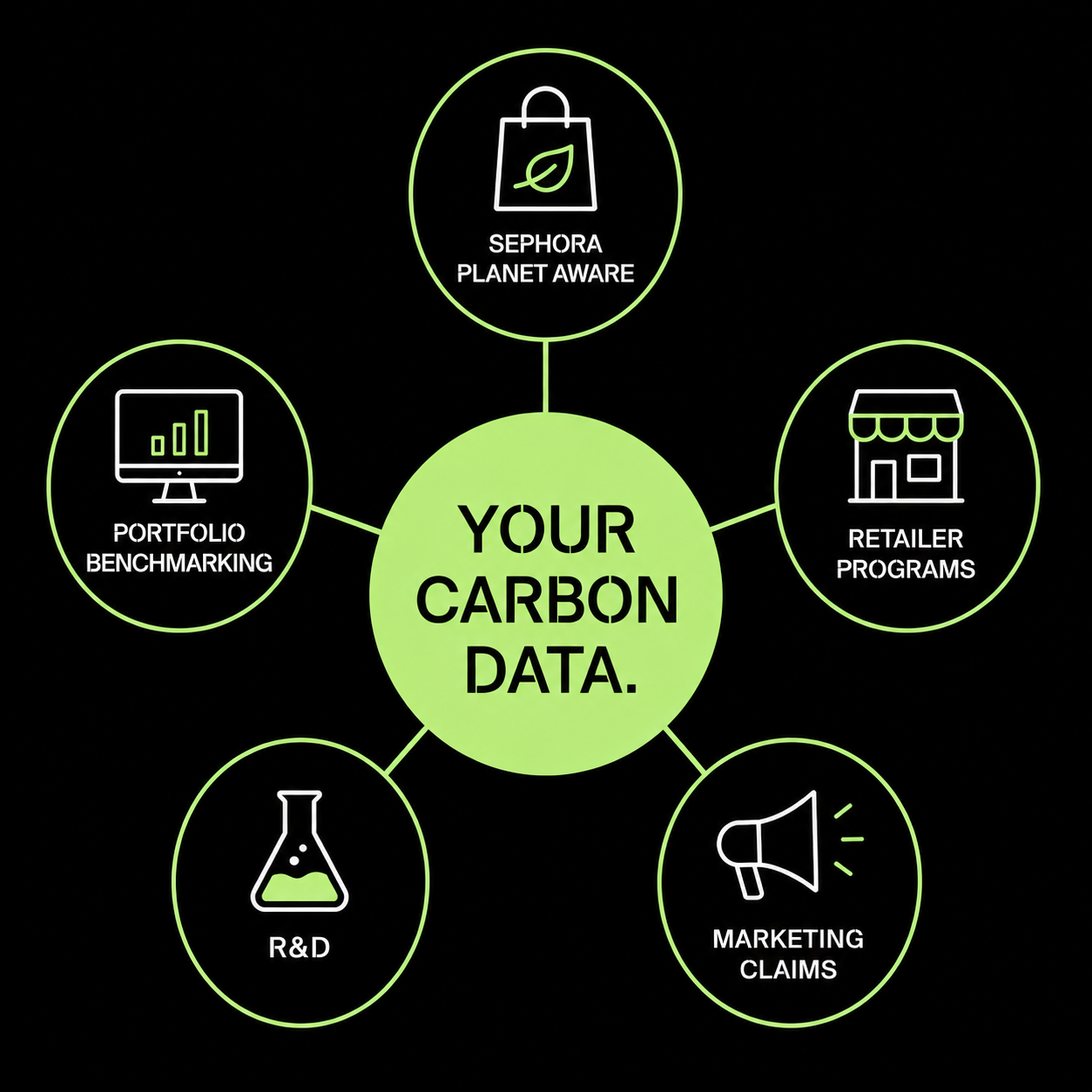
Credible climate data that powers Sephora Planet Aware, B Corp recertification, retailer sustainability programs, R&D decisions, and defensible marketing claims.
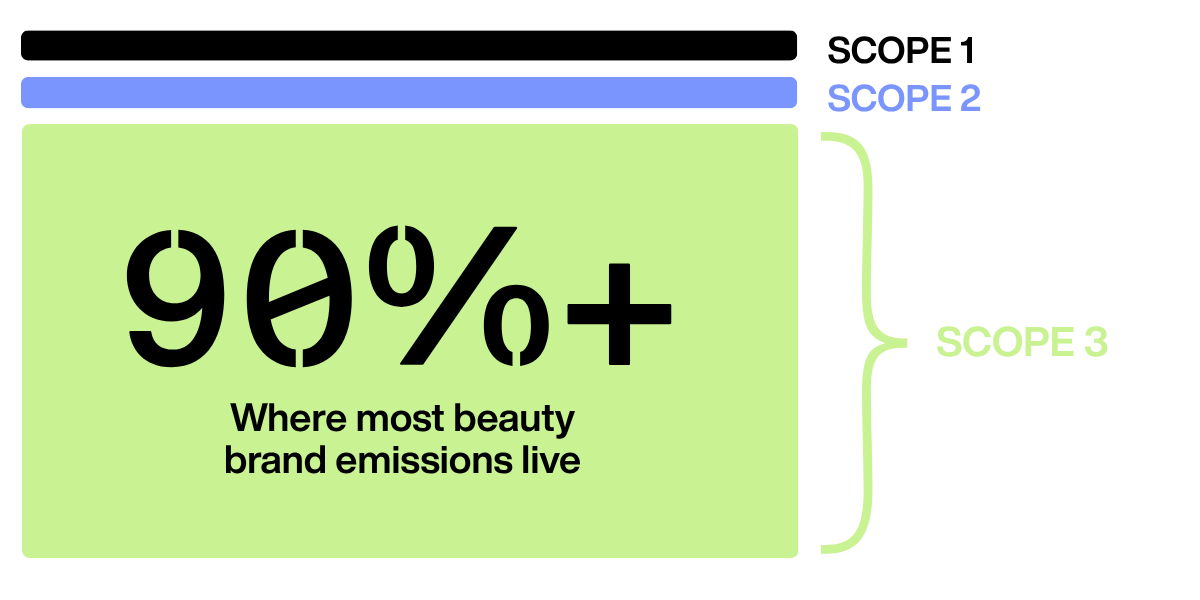


.svg.png)


Most beauty brands build carbon data once for a single requirement, then rebuild it for the next. Planet FWD builds one credible data foundation that serves every use case below:
retailer credentials, B Corp certification, R&D decisions, marketing claims that hold up under scrutiny.

Sephora Planet Aware, Amazon's Climate Pledge Friendly, and Ulta Conscious Beauty each ask for something different. Sephora wants Scope 1 and 2 verified for large brands, Scope 3 calculated with a committed timeline. Amazon recognizes third-party verified certifications. Ulta wants ingredient and packaging data. One Planet FWD data foundation answers all three, without starting over for each retailer.
B Lab's Climate Action Standard requires larger B Corps to measure Scope 1, 2, and 3 emissions, get the inventory verified by an accredited third party, and set science-based targets. Spend-based estimates don't meet that verification bar. What does: primary, activity-based data for the ingredient and packaging categories driving most of your footprint. Planet FWD builds that on the same corporate inventory that also satisfies retailer requirements, so certification isn't a separate project.
The most valuable time for carbon data is before a product exists. Comparison LCAs model the carbon difference between ingredient options, packaging formats, and sourcing choices, so your team sees the trade-offs while they're still decisions they can make.
.svg)
Mintel reports that 65% of adults find it difficult to know if a brand is overstating how eco-friendly it is. That trust gap is the reason marketing claims need credible data behind them. Planet FWD delivers PCFs formatted for on-pack and online use, so marketing claims hold upto scrutiny.
Mintel, "Conscious Cosmetics: The Rise of Clean Beauty," UKSustainability in Beauty and Personal Care Market Report, April 2026.

Portfolio benchmarking identifies which SKUs carry the highest carbon impact, so your team can focus reduction efforts and storytelling where they matter most.
Spreadsheets work fine until your supplier list grows past a handful of SKUs. Every new ingredient means matching it by hand, acacia senegal today, gum arabic tomorrow.
Planet FWD's ingredient and materials database does that matching automatically.
It's broad enough to cover what beauty brands actually formulate with, so your team gets to the analysis instead of losing hours to manual lookups.
That same database keeps your Scope 3 data current at the ingredient level as formulas change, without rebuilding a spreadsheet from scratch each time.
Cradle-to-gate or cradle-to-grave. Multi-metric. Includes side-by-side comparison LCAs for R&D. ISO 14040 compliant.
Corporate Scope 1, 2, and 3 emissions. Reductions, supplier engagement, and regulatory reporting.
Done-for-you PCFs, formatted for on-pack and online use. Or unlimited self-serve access to generate PCFs directly within the platform.